 How-to
7 Natural Steps to Help Manage Diabetes
Last Updated: November 14, 2026
Quick Summary
To manage diabetes naturally, build a staged plan around food, movement, sleep, stress, and herbs, starting with a repeatable plate pattern and consistent glucose monitoring. Herbs such as cinnamon, ginger, turmeric, and bitter melon are examined in published research for blood sugar support, but they sit alongside prescribed care, never replace it.
- Fill half your plate with non-starchy vegetables, a quarter with protein, and a quarter with fiber-rich carbs.
- Swap white rice for barley or quinoa, white bread for whole-grain, and soda for sparkling water with lime.
- Check glucose at consistent times and log results alongside what you ate and which herbs you took.
- Cinnamon, fenugreek, and bitter melon can compound the effect of glucose-lowering drugs, so tell your care team everything you take.
- Never stop or lower a prescribed diabetes medication on your own; any change belongs with the prescriber.
Table of Contents
- Natural Ways to Lower Blood Sugar: A Staged Plan
- Foods That Help Manage Blood Sugar
- Herbs for Diabetes and Blood Sugar Monitoring
- Frequently Asked Questions
Natural Ways to Lower Blood Sugar: A Staged Plan
Learning how to manage diabetes naturally starts with one honest truth: there is no single fix. Blood sugar responds to food, movement, sleep, stress, and the herbs you choose, and at Alternative Healing Works we build staged plans around those inputs, one layer at a time.
Watch Out: Never stop or lower a prescribed diabetes medication on your own, any change belongs with the prescriber who ordered it, and your natural plan should sit alongside that care, not replace it.
We also look at neuropathy when blood sugar runs high over time; if tingling or numbness is part of your picture, read our guide on natural ways to manage neuropathy.
Ready to build a staged plan with us? See what to expect as a new patient. Explore our functional medicine approach.
Foods That Help Manage Blood Sugar
Food is the first lever: a repeatable plate pattern you can keep on a busy day is a practical goal.
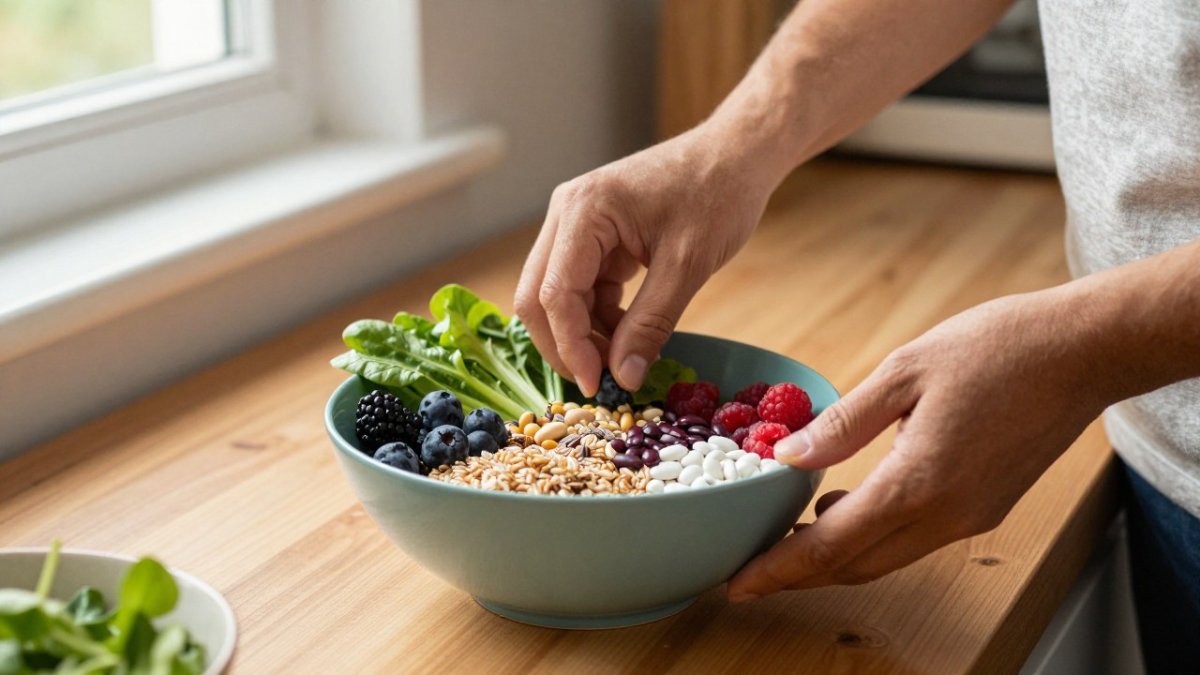
A simple plate rule: half non-starchy vegetables, a quarter protein, and a quarter fiber-rich carbohydrate such as beans or barley (the CDC).
Cut back on white bread, white rice, sugary drinks, and packaged snacks; swap white rice for barley or quinoa, white bread for whole-grain, and soda for sparkling water with lime.
Small, steady changes are generally more sustainable than crash diets.
Budget and tradition matter: frozen vegetables, rinsed canned beans, eggs, oats, and cabbage are common low-cost staples, and if a family recipe centers on white rice, you might try half rice and half cauliflower rice.
Watch Out: If you take insulin or a medication that can cause low blood sugar, changing meal timing or carbohydrate amount needs your prescriber's input first.
Herbs for Diabetes and Blood Sugar Monitoring
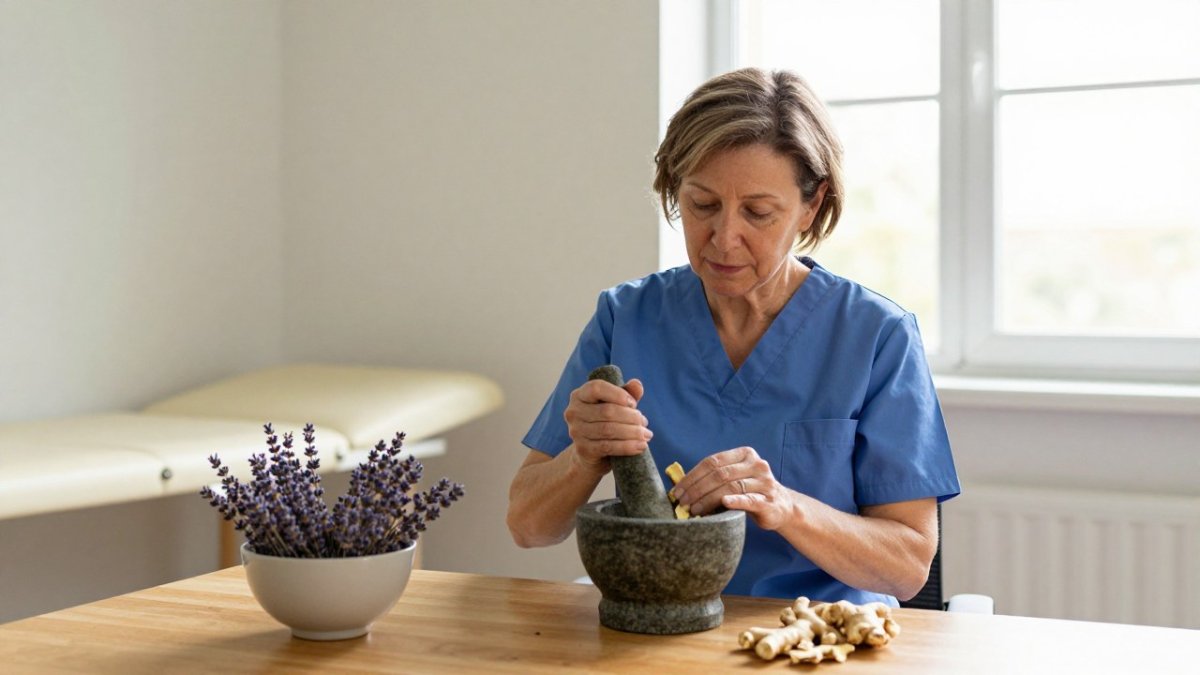
Published research has examined several herbs for blood sugar support, including cinnamon, ginger, turmeric, bitter melon, fenugreek, green tea, and apple cider vinegar.
Monitoring makes the plan measurable: check glucose at consistent times and log results alongside what you ate and which herbs you took, then bring the log to your visit and track A1C at the intervals your care team recommends.
At Alternative Healing Works, herbal medicine and functional medicine are part of how we build these plans. Acupuncture can support stress and sleep, and IV therapy can address hydration and nutrient status when diet alone is not enough. For neuropathy from long-standing high blood sugar, we also use red light therapy as a supportive approach alongside the plan.
Watch Out: "Natural" does not mean "no interactions." Some herbs affect how your body processes medication, and cinnamon, fenugreek, and bitter melon in particular can compound the effect of glucose-lowering drugs. Tell us everything you take, and do not stop or lower a prescribed medication on your own.
Want to act on what you just read? See our acupuncture and herbal medicine services, or contact us to book a consultation and review your herbs, supplements, and monitoring plan together.
Here are the herbs the article names for blood sugar support, alongside the monitoring habits it recommends.
| Item | What the article says |
|---|---|
| Cinnamon | Examined in published research for blood sugar support |
| Ginger | Examined in published research for blood sugar support |
| Turmeric | Examined in published research for blood sugar support |
| Bitter melon | Examined in research; can compound glucose-lowering drugs |
| Fenugreek | Examined in research; can compound glucose-lowering drugs |
| Green tea | Examined in published research for blood sugar support |
| Apple cider vinegar | Examined in published research for blood sugar support |
| Monitoring | Check glucose at consistent times; log food and herbs |
Managing diabetes naturally is a process, not a single decision. It takes a plan built around your body, your medications, and your daily life. At Alternative Healing Works, we combine functional medicine, acupuncture, herbal medicine, and personalized care plans to support your blood sugar goals at the root. Get started with Alternative Healing Works and build a plan that fits your life.
Frequently Asked Questions
Can diabetes be managed naturally?
Many people support healthy blood sugar through natural approaches, including dietary changes, regular physical activity, weight management, and herbal support. Lifestyle changes and fiber-rich foods are commonly discussed as part of a diabetes management plan. A personalized plan that includes blood sugar monitoring and guidance from a qualified practitioner can help you stay on track. Book a consultation to discuss which natural approaches fit your health circumstances.
What are natural ways to lower blood sugar?
Lifestyle approaches often discussed for blood sugar include eating more fiber and whole grains, choosing beans over white carbohydrates, staying physically active, and managing weight. Monitoring your glucose levels helps you see what works for your body. A staged plan, starting with small daily changes, makes these steps easier to sustain over time.
Can you stop taking diabetes medication if your blood sugar improves?
Never stop or change diabetes medication without talking to your prescribing doctor first. Natural approaches can support blood sugar control alongside your existing care, but medication changes need medical supervision. Bring your monitoring records to your practitioner so any adjustments are made safely and with full information about your glucose levels and overall health.